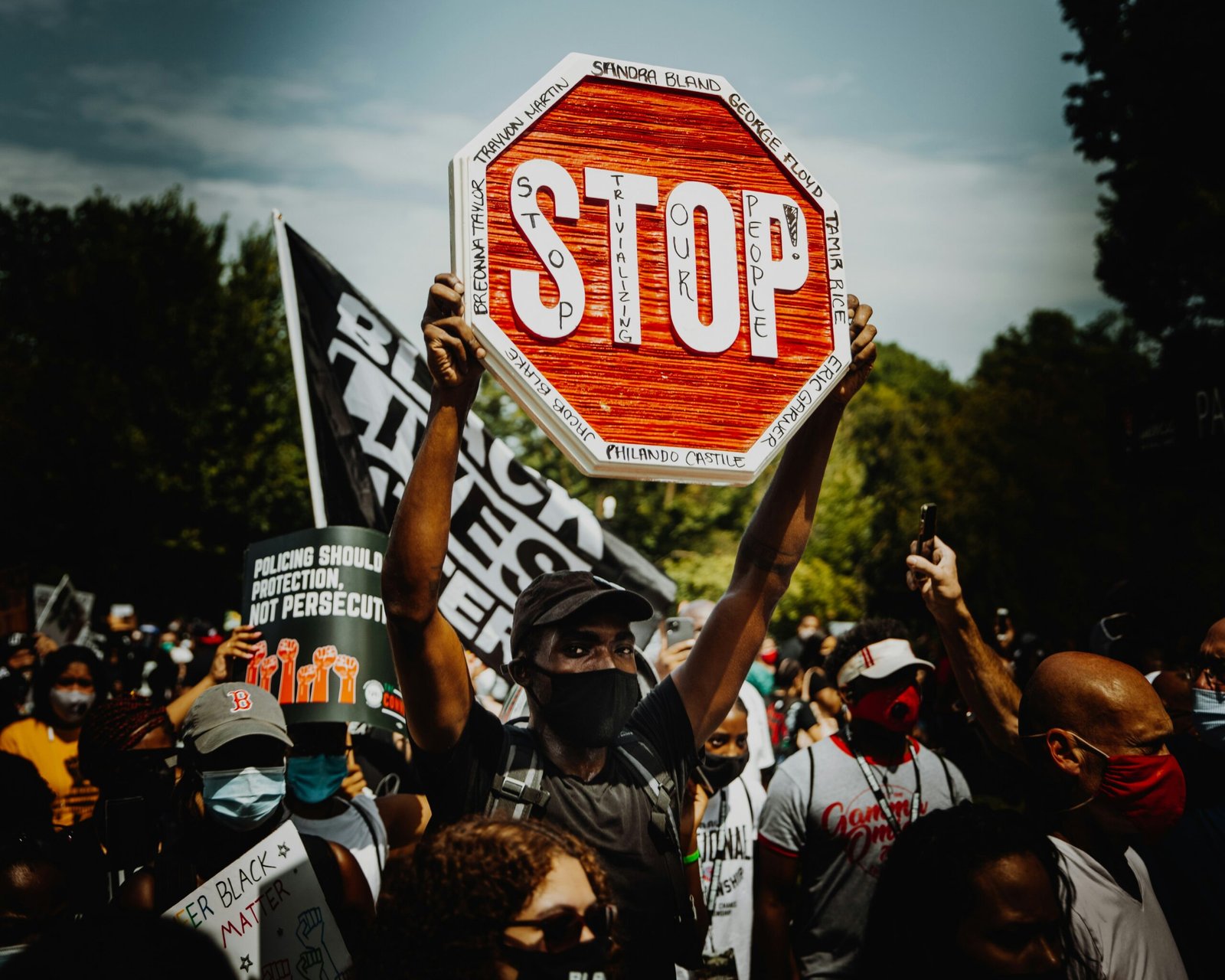
The United States is stepping into 2026 with a heavy mix of street protests, tense immigration battles, and global flashpoints that are hard to ignore. In a single week, Americans have watched confrontations between federal immigration agents and protesters, followed updates on renewed Iran–US tensions, and heard new warnings from economists about a difficult year ahead. For many people, it feels like pressure is building from every direction at once.
In Minneapolis, anger over immigration enforcement has erupted into a national story. Recent operations involving federal agents and a shooting linked to an immigrant from Venezuela have sparked marches, clashes, and a wave of debates about how far the government should go in the name of border security. Supporters of tough enforcement argue that strict action is necessary to protect the country, while critics say these tactics are tearing communities apart and putting already‑vulnerable people in danger. The result is a city under strain and a country once again arguing about the basic meaning of safety, justice, and fairness.
At the same time, the broader political climate remains deeply polarized under President Donald Trump’s administration. On one side, the White House is backing moves to restore and expand funding for mental health and addiction programs, reflecting growing concern over America’s ongoing public health crises. On the other side, immigration crackdowns, courtroom battles with states, and aggressive rhetoric on issues like crime and protest keep driving sharp divides between supporters and opponents. Every new policy announcement or viral video seems to land like fuel on an already burning fire.
Beyond the protests and speeches, there is a quieter but equally serious story unfolding in the US economy. Analysts at major institutions are warning that 2026 could be a difficult year for many families, with health care costs still high, safety‑net programs under pressure, and low‑income households facing the greatest risk if benefits are reduced. Questions about insurance coverage, food assistance, and housing stability are no longer abstract policy issues; they are daily concerns shaping how millions of Americans plan their budgets and their futures. When people feel both financially squeezed and politically unheard, frustration can quickly turn into unrest.
Adding to the sense of uncertainty is the international picture, especially in the Middle East. Iran has been back in the headlines as airspace reopens and both sides trade warnings, raising fears that a single miscalculation could escalate into a larger crisis. For ordinary Americans already worried about prices, jobs, and safety at home, the idea of another foreign confrontation feels exhausting and dangerous. Yet global tensions have real domestic consequences, from energy markets and defense spending to how safe people feel when they look at the news each morning.
Taken together, these stories paint a picture of a country on edge—torn between demands for security and calls for justice, between hopes for stability and fears of deeper conflict. The clashes over immigration, the polarization around Trump‑era policies, economic uncertainty, and rising global tensions are not isolated events; they are interconnected pressures shaping how Americans see their future. Whether 2026 becomes a turning point toward meaningful reform or just another year of anger and gridlock may depend on how leaders respond—and how seriously they choose to listen to the people living through it all.